Loading...
Agricultural Fans
Proper ventilation for buildings used for agricultural purposes is extremely important. Not only does proper ventilation keep the air flowing, but it makes the animals and workers comfortable, reduces foul smells and odors, and creates a flourishing environment that encourages plant growth. Installing agriculture wall exhaust fans, venting fans and air circulator fans in barns, farms, factories, large businesses, and g... Read More!
Proper ventilation for buildings used for agricultural purposes is extremely important. Not only does proper ventilation keep the air flowing, but it makes the animals and workers comfortable, reduces foul smells and odors, and creates a flourishing environment that encourages plant growth.
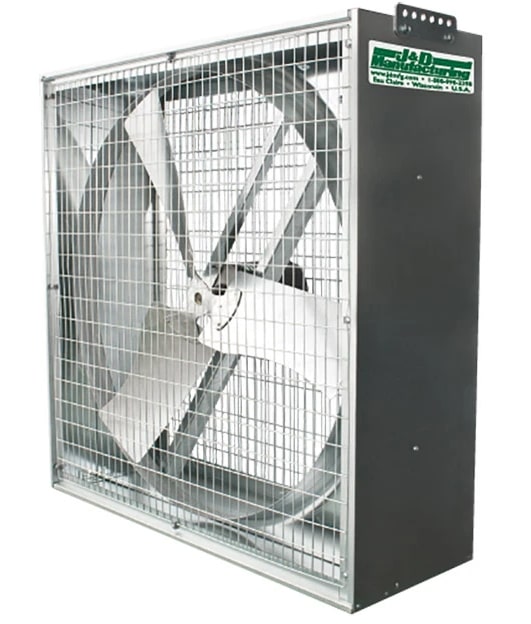
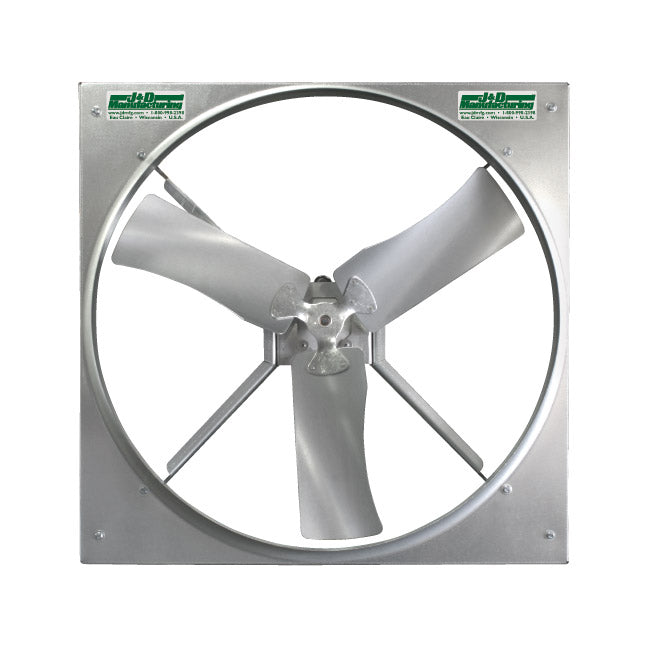
Installing agriculture wall exhaust fans, venting fans and air circulator fans in barns, farms, factories, large businesses, and greenhouses can help dramatically improve air flow and ventilation in spaces where air has become stale and stagnant.
Agriculture fans are a necessary component to any horse barn, dairy, poultry house, or hog farm. Why is this? Because ventilation within these facilities is a very important factor the the health of the animals, as well as the people that work there.
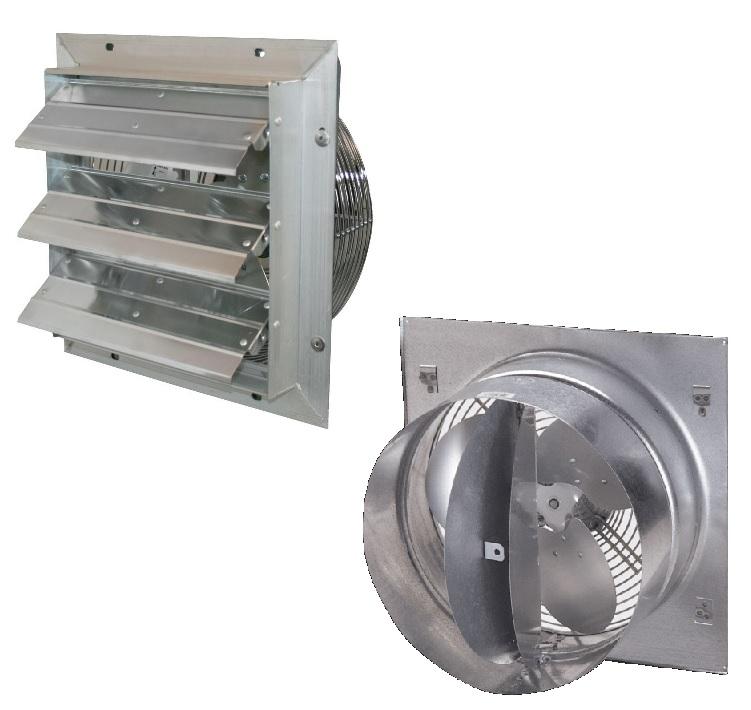
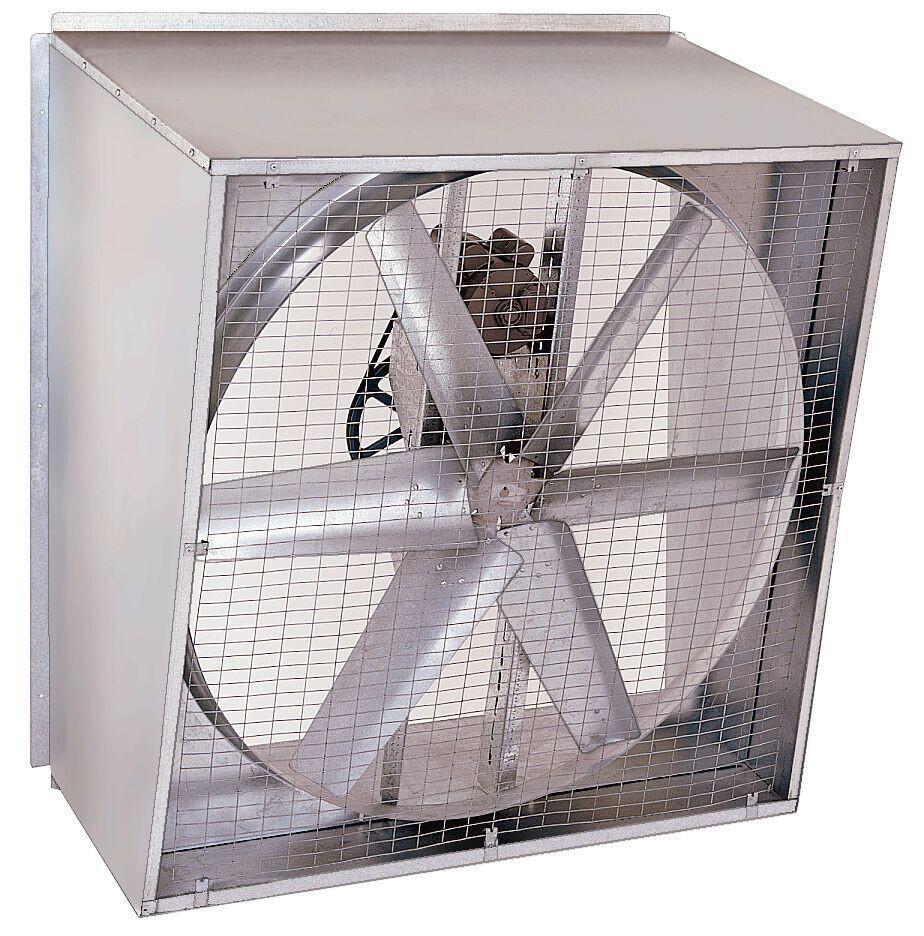
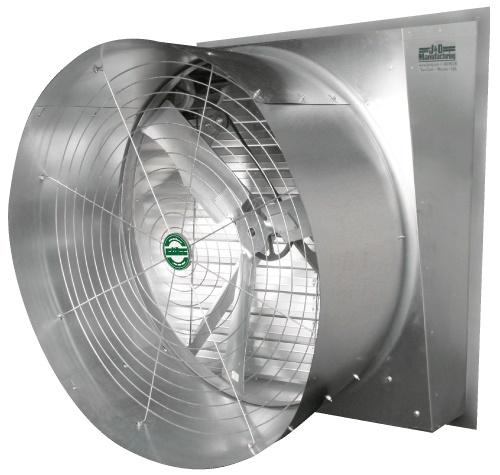
Agricultural exhaust fans help to reduce heat and odors, while also improving air quality by removing stale, stagnant or dank air from the building, and at the same time replacing the exhausted air with fresh air from outside the facility. This fresh replacement air comes in either; 1. Naturally through windows, doors, roof ventilation, or installed wall vents. 2. Mechanical ventilation with intake fans or air supply fans.
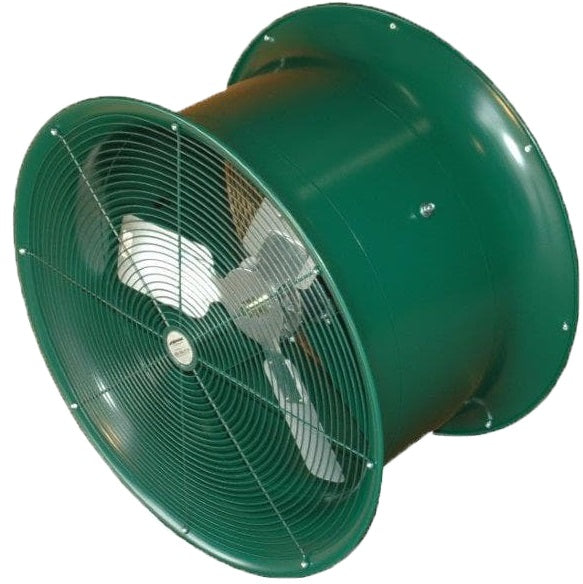
Agriculture air circulator fans are another piece to properly ventilating these building. The air circulation fan works by stirring the air within the building, which also helps to reduce foul odors, and reduces moisture so that mold and or mildew do not have an opportunity to form and grow. These circulating fans aid in the drying of animal bedding, litter, walls and flooring.
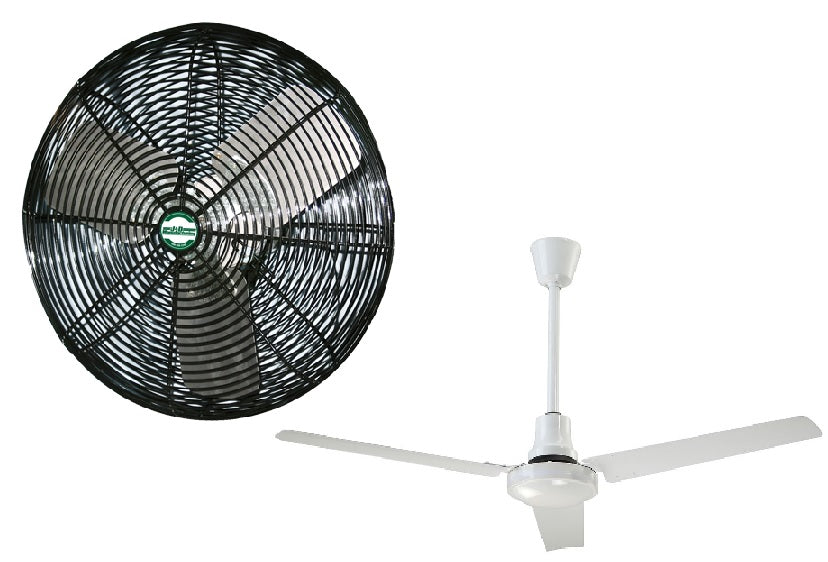
Larger building structures in the agriculture industry with high ceiling heights of 15' or more will typically use agriculture rated ceiling fans to move wasted heated air from the ceiling back down to floor level to help with animal and workers comfort. These fans can withstand moist or wet air without having an affect on them. These ceiling circulation fans can move up to 47,000 CFM or cubic feet per minute of air.
The air circulating fan is also a necessity in the horticultural industries and greenhouses.
Any and all exhaust fans, ventilating fans and air circulation fans must be able to stand up to the harsh, caustic environment of the agriculture industry. Typically the wall exhaust fan used will be constructed of either galvanized steel, polypropylene, or fiberglass, while the air circulator fans or basket fans will have galvanized or poly blades, and epoxy coated grills / baskets.
The agriculture fan will range in size and air movement ability or CFM. The exhaust or venting fan range from 12" to 60" blades, and 700 cfm to 43,000 plus CFM. The circulating fan comes in 12" to 36" blade models and moves anywhere from 1,000 CFM to over 10,000 CFM.
We carry a number of brands including; Canarm, Multifan, Hessaire, National Fan Co., J&D Manufacturing , Triangle Engineering. There are models available in belt and direct drive. So whether circulating the air for the comfort of animals and workers, or removing fowl air and replacing with fresh clean air, Industrial Fans Direct has the right fan for your farms, barns, dairy pens or stall type applications.
Read less