 Loading...
Filters
Whole House Fans
Experience comfort like never before with whole house fans from Industrial Fans Direct. Our high-quality fans not only cool your home efficiently but also reduce air conditioning costs, utility bills, and ensure a fresh, healthy living environment.
Choose Industrial Fans Direct for a superior cooling solution that guarantees lasting performance and transforms your living space today.
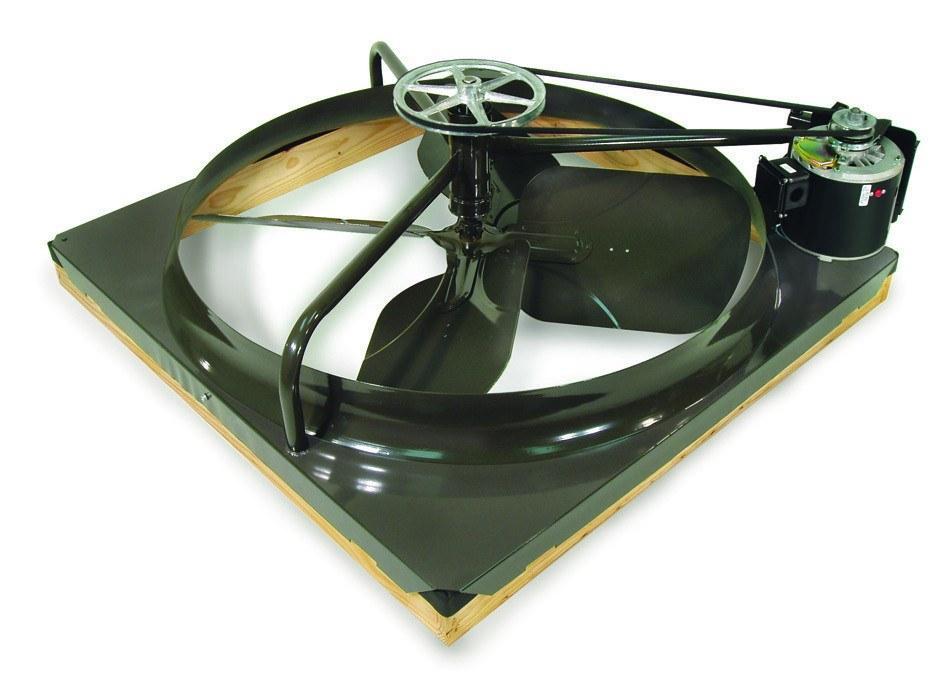
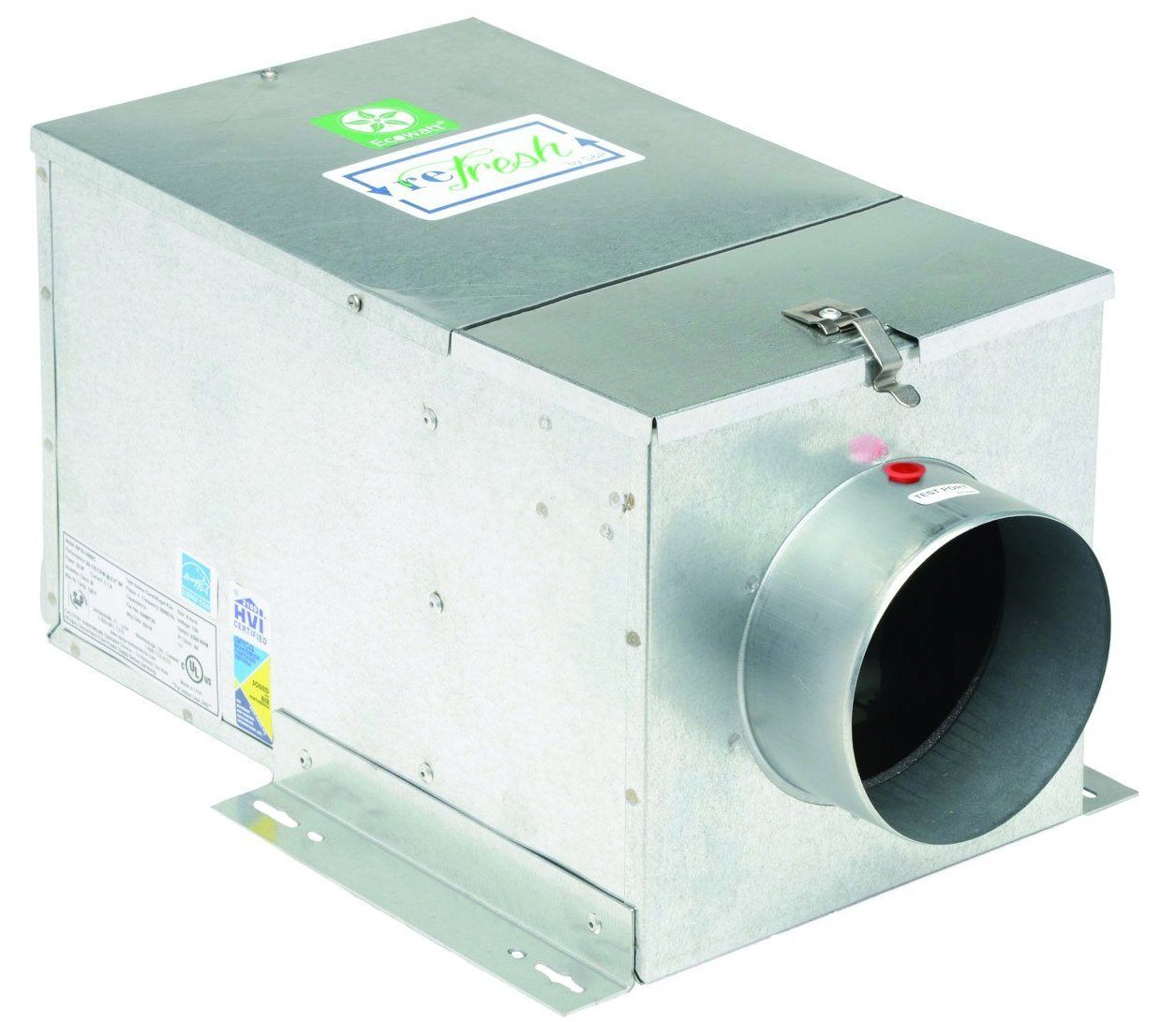
Benefits of a Whole-House Fan
Energy Efficiency
Whole house fans use significantly less energy compared to traditional air conditioning systems, providing a more eco-friendly cooling solution and saving on energy bills.
Remove Toxins
Whole house fans not only use less energy but can almost immediately remove toxic chemicals from activities like painting or cleaning, smelly or hot air from cooking, or just the funk from everyday living with the kids and pets.
Improved Air Quality
By drawing in fresh outdoor air and expelling stale indoor air, whole house fans help to remove allergens, bad odors, and pollutants, thereby improving the overall air quality inside your home.
Natural Cooling
Utilizing natural airflow, they can cool your home fast, especially during the evening or in cooler climates, without relying on heavy air conditioning systems.
Cost-Effective
Lower initial investment compared to central air conditioning, as well as reduced ongoing energy costs, makes whole house fans an economically appealing option.
Quick Installation
Whole house fans are generally quicker and easier to install compared to intricate air conditioning systems, making them a convenient choice for many homeowners.
How to Size a Whole-House Fan
Selecting the right whole-house fan for your home starts with understanding your space's size and airflow requirements. Whole house fans are rated by CFM (cubic feet per minute) air exchange capacity. Well-established industry standards recommend using a fan that will change all of the air in your house once every 3-4 minutes (in cooler climates, once every 7-10 minutes).
To size a whole-house fan, follow these combined steps:
Step 1: Calculate House Square Footage
Measure the length and width of each room and sum the areas.
Step 2: Determine Ceiling Height
Check if your ceilings are standard (8 feet) or higher.
Step 3: Choose Fan Capacity
Multiply your total square footage by the ceiling height. Select the whole house fan that has equal or greater CFM performance as the calculated figure.
Need help calculating your CFM? Use our CFM Calculator to make it easy.
Step 4: Know Your Location
Different climates typically require different CFM per square foot. Warmer climates usually need a higher CFM (2.5 - 3 CFM/sqft) to exchange air more frequently, while cooler climates might require less CFM (2 - 2.5 CFM/sqft). Consult local guidelines or an HVAC professional for precise recommendations.
Step 5: Check Manufacturer Guidelines
Different fans have unique requirements, so always refer to the product manual.
This ensures optimal performance and energy efficiency, and aligns with industry standards for whole house fans.
How to Maintain a Whole-House Fan
Maintaining a whole-house fan is essential for ensuring its long-term performance and efficiency. Here's a straightforward guide to help you keep your fan in top condition:
Inspect Regularly (once every six months)
Check the blades, motor, and belt (if applicable) at least twice a year. Look for signs of wear, cracks, or dust build-up that may affect performance.
Clean the Blades and Louvers
Dust and dirt can accumulate on the blades and louvers, hindering airflow. Turn off the fan and clean these parts using a damp cloth or a soft brush.
Lubricate Moving Parts
Some models may require periodic lubrication of the motor and other moving parts. Refer to the manufacturer's instructions and use the recommended lubricant.
Tighten Loose Components
Over time, screws and other hardware may become loose. Check and tighten any loose parts to prevent unnecessary vibrations and noise.
Check Electrical Connections
Examine the wiring and electrical connections to ensure they’re secure and free from damage. If you notice any issues, consult an electrician or a professional technician.
Adjust or Replace the Belt (if applicable)
If your fan uses a belt-driven system, check for proper tension and alignment. Replace the belt if it shows signs of wear.
Replace Filters (if present)
If your system has filters to improve air quality, remember to replace or clean them as per the manufacturer’s instructions.
Seasonal Care
In cooler months, consider covering the fan to prevent drafts, if recommended by the manufacturer. In spring, prepare the fan for use by performing a thorough inspection and cleaning.
Seek Professional Help When Needed
For more complex issues or regular professional maintenance, consult with a certified technician who specializes in whole house fans.
By following these steps, you’ll ensure that your whole house fan operates efficiently, provides optimal cooling, and lasts for many years. Regular maintenance not only prolongs the life of the fan but also maximizes the many benefits, from energy savings to enhancing indoor air quality.
Whole House Fans vs Attic Fans vs Air Conditioning
Whole house fans, attic fans, and air condition units are all valuable tools for home cooling, but they serve different purposes and operate differently:
Purpose:
Whole House Fan: Designed to cool the entire living space by drawing in fresh outdoor air and expelling hot, stale indoor air through windows and vents. It helps in cooling the house, especially during the evening.
Attic Fan: Focused on cooling the attic by venting hot air that accumulates there. This can indirectly affect the home's overall temperature by reducing heat buildup in the attic but doesn't directly cool living spaces.
Air Conditioning: Engineered to condition the air within a space, cooling, and often dehumidifying it, offering controlled temperature throughout the living area.
Operation:
Whole House Fan: Installed in the ceiling, connecting living spaces with the attic. It requires open windows to draw fresh air into the home and vent the hot air into the attic and outside.
Attic Fan: Installed in the roof or gable of the attic, focusing solely on venting the hot air from the attic to the outdoors, usually through vents or openings designed specifically for this purpose.
Air Conditioning: Comprises indoor and outdoor units that circulate cold air to absorb heat from inside and release it outside, cooling the air through a closed-loop system.
Benefits:
Whole House Fan: Provides comprehensive cooling and ventilation for the entire home, improving overall air quality.
Attic Fan: Helps prevent moisture buildup and heat accumulation in the attic, protecting roofing materials and insulation.
Air Conditioning: Offers precise temperature control, quickly cools spaces, and can include features like air filtering and humidity control.
In summary, whole-house fans cool and ventilate the entire home, attic fans specialize in cooling the attic space, and air conditioning provides controlled cooling and comfort within the living areas. The choice between them depends on specific cooling needs, energy efficiency preferences, and home design.
FAQs
A whole-house fan works by drawing fresh outdoor air through open windows and expelling hot, stale indoor air into the attic and outside. It cools the living space by circulating air, providing natural ventilation, and reducing the need for air conditioning.
Yes, running a whole-house fan is generally cheaper than using air conditioning. It uses less energy by drawing in cool outside air instead of refrigerating indoor air, thus lowering energy consumption and reducing electricity bills.
When using a whole house fan, enough windows should be open to allow proper airflow. The number varies based on the fan's size and home's layout, but typically, opening windows in several rooms helps ensure balanced air circulation. Check your fan's manual for specific recommendations for your model and home size.
The run time for a whole house fan depends on the outside temperature and desired indoor comfort level. Generally, running it for 15 to 60 minutes in the morning is enough to cool the house. Some homeowners may choose to run it for a few hours in the evening or overnight in hotter weather.
Whole house fans can potentially bring in dust from outside as they draw in fresh air. However, with properly maintained screens on the windows and regular cleaning of the fan, the amount of dust entering the home can be minimized and essentially eliminated. Some models may also have filters to further reduce dust.